Both lift without surgery — but they work at different depths, and the right choice depends on your skin, your goals, and your schedule in Korea.
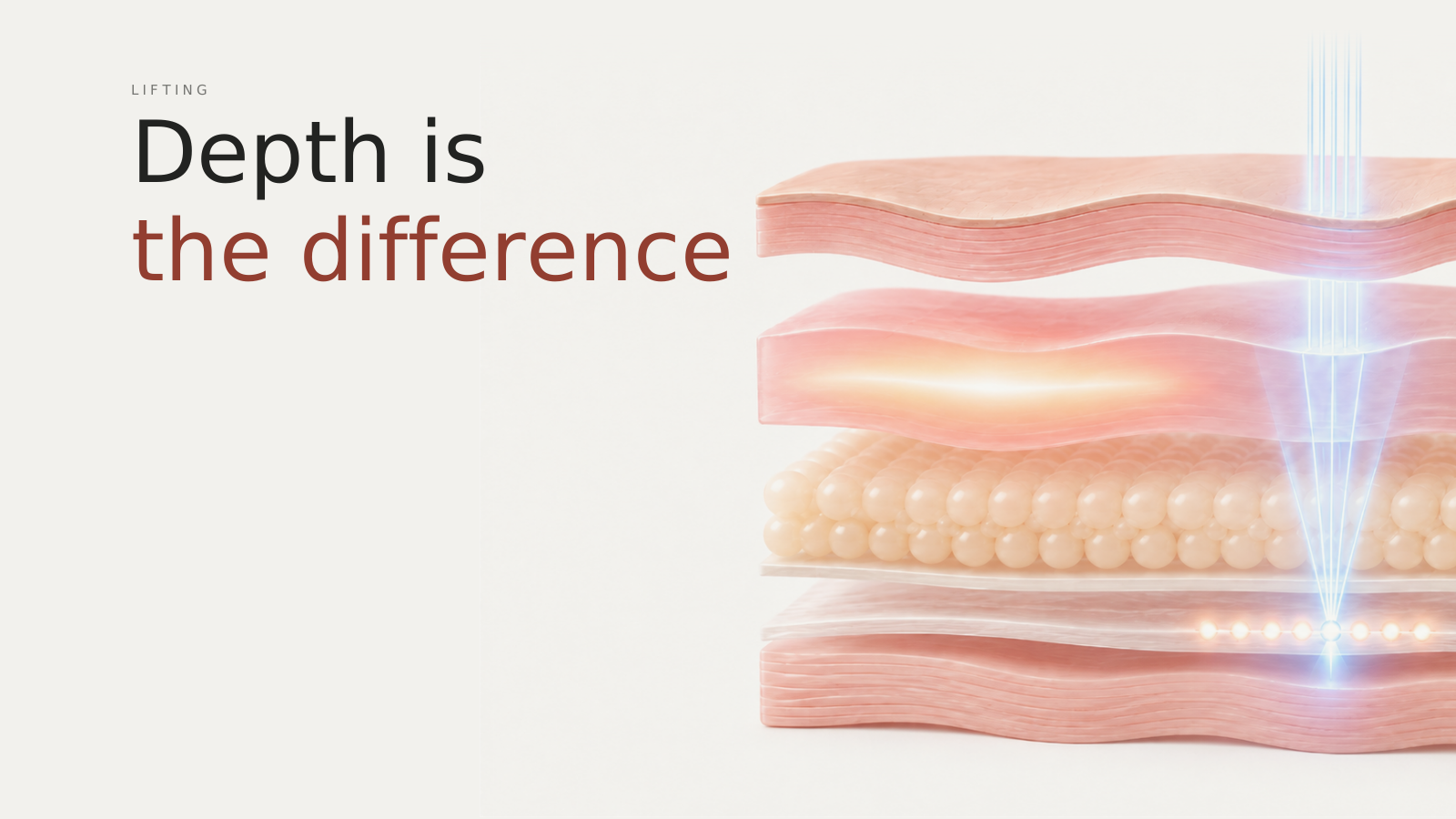
Ultherapy uses micro-focused ultrasound to reach the deeper foundation layer of the skin, while Thermage uses radiofrequency to treat the dermis more broadly. Neither is "better" — they address different depths and concerns. Many international patients at DayBeau Gangnam choose based on three factors: the area of concern, downtime tolerance, and how their treatment fits a travel schedule. Your doctor confirms the right option after a personal consultant session.
Ultherapy delivers micro-focused ultrasound energy to a precise depth beneath the skin's surface, reaching the SMAS layer — the same structural foundation addressed in a surgical facelift — without any incision. The focused energy points stimulate the body's own collagen-building response at that foundation layer.
Thermage instead uses monopolar radiofrequency to heat the dermis more broadly, just beneath the skin's surface, while cooling the surface itself. This contracts existing collagen immediately and stimulates new collagen over time, addressing a wider area of the dermis rather than a single deep foundation layer. Neither approach is more advanced than the other — they simply work at different depths toward different goals.
Both treatments generally carry minimal downtime in most cases, which is part of why they suit travelers on a fixed schedule. Even so, your doctor may suggest a short buffer between your treatment day and a long flight, since mild redness or swelling can occasionally occur. Sharing your travel dates during your personal consultant session helps your doctor plan the treatment day, and any combination of the two, around your itinerary rather than the other way around.
In some cases, yes — but this depends entirely on your doctor's treatment design after assessing your skin. Combining treatments in one visit is planned individually, and your doctor will confirm whether it suits your skin condition and schedule.
Results vary by individual, but both treatments typically show visible change over months rather than immediately, and effects may continue for roughly a year or longer. Your doctor can give a more specific estimate based on your skin.
Sensation varies by individual for both treatments — most describe a warming or tingling feeling rather than sharp pain. Your doctor can adjust settings for your comfort during the session.
If this sounds like your concern, these are the treatment pages to explore:
Written by the DayBeau Global Care Team · Medically reviewed by the DayBeau Gangnam Medical Team
Share your concerns and travel dates — our consultant team will guide you before your visit, and your doctor confirms the final design in person.
Book a Consultation→